ChatGPT Ads: What Local Businesses Actually Need to Know in 2026
A brand-new ad platform, entirely different rules, and a few traps that are already catching marketers off guard. Here's how a roofer, a med spa, and a restaurant would each actually use it.
As of May 2026, OpenAI's self-serve Ads Manager is available to businesses in the US, Canada, Australia, and New Zealand. Ads only show to logged-in adults on the Free or $8/mo Go plan, use "Context Hints" instead of keywords, and enforce strict character limits. Local services, travel, and consumer goods do well. Healthcare, dating, alcohol, finance, legal, and gambling are excluded outright — no exceptions yet.
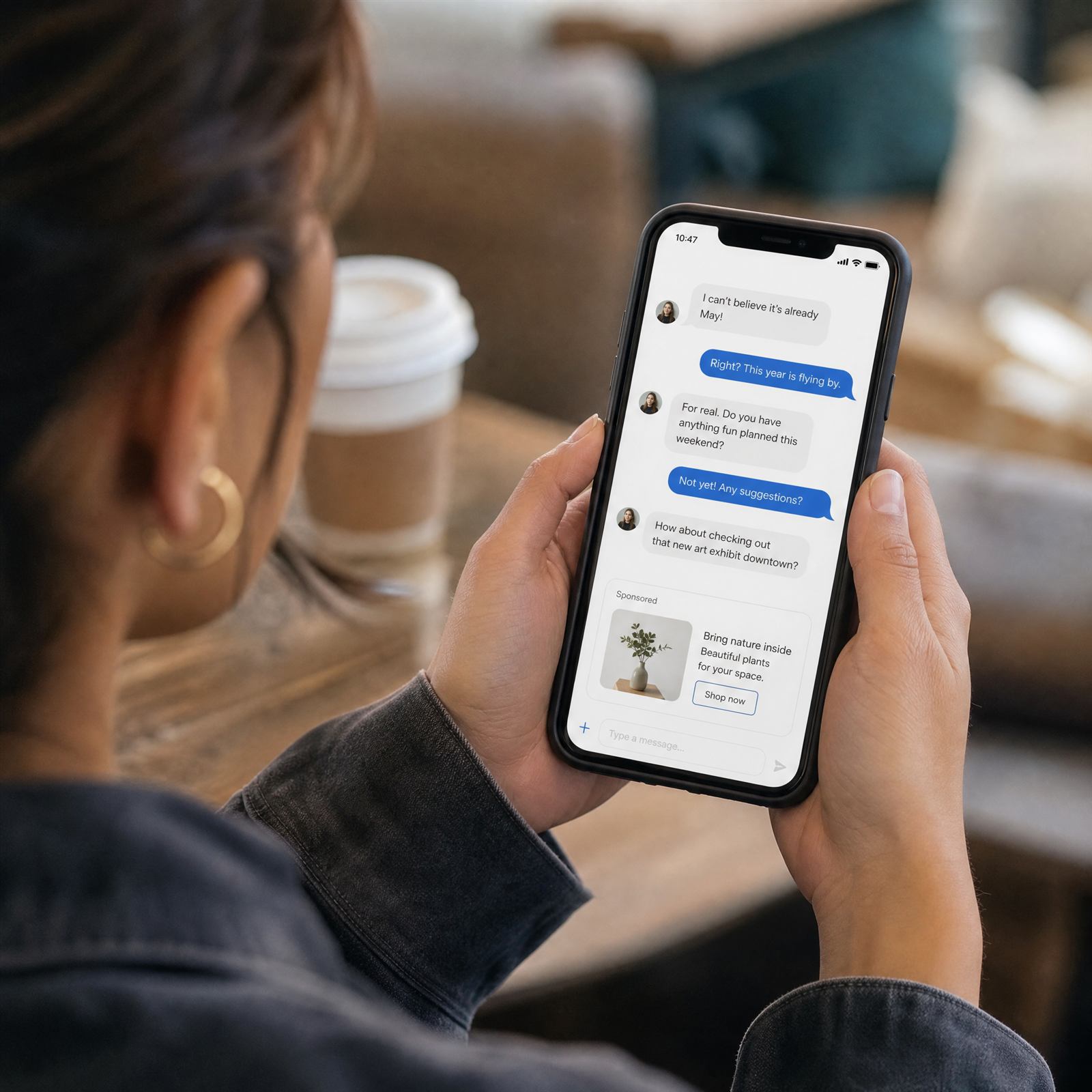
Imagine someone asks an AI, "How do I fix a leaky roof?" or "Where's the best pizza place for a first date?" — and your business shows up right there in the chat. That's exactly what ChatGPT Ads do. As of May 2026, OpenAI officially opened its self-serve Ads Manager Beta to businesses of all sizes in the US, Canada, Australia, and New Zealand.
Here's the catch: it isn't Google or Facebook wearing a new outfit. It runs on entirely different rules, strict limits, and a few sneaky traps that are already catching marketers off guard. Let's break down who's actually seeing these ads, the exact blueprint for a winning one, the mistakes to avoid, and how three very different local businesses should approach it.
Who's actually seeing these ads (and which niches win)
First things first: you aren't advertising to everyone. ChatGPT ads only show to logged-in adults (18+) on the Free plan or the $8/month Go plan. Anyone paying for ChatGPT Plus, Pro, or Enterprise gets an entirely ad-free experience.
So which niches win big here? Local service businesses, travel companies, and consumer goods sit in the sweet spot. The audience skews young — nearly half of all messages on the platform come from users under 26, and 58% of adult users are under 30. If your business targets Gen Z or younger millennials — a trendy restaurant, a digital product — this is a goldmine. If you're selling retirement planning services, stick to Facebook for now.
The "best ad" setup for ChatGPT
This platform likes things short and sweet. Here's the exact blueprint for a high-performing ad.
| Element | What's Required |
|---|---|
| Format | A small, clean, clearly labelled "Sponsored" card at the bottom of the chat conversation. |
| Visuals | Your company logo (favicon) plus a square image, minimum 256×256 pixels. |
| Title | 16–24 characters. Outside that range, the system rejects it. |
| Description | 32–48 characters. Same story — write 31 or 49 and it bounces back. |
| Bidding | Cost-Per-Click (CPC), goal set to "Clicks." Bid around $3–$5 per click. |
| Targeting | "Context Hints" instead of keywords — short phrases describing the conversation you want your ad to appear in, e.g. "small business accounting" or "invoicing workflow." |
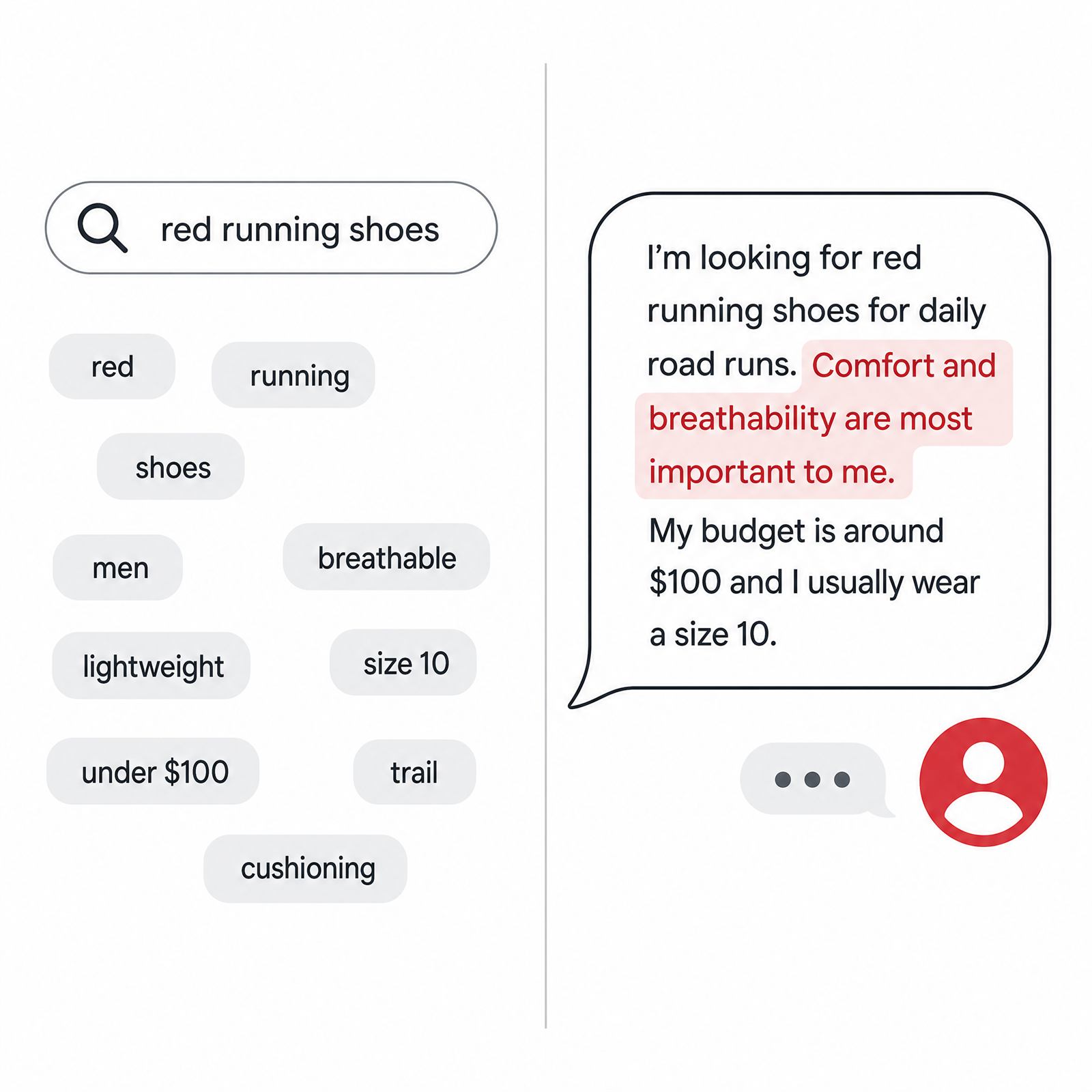
"You don't target keywords on ChatGPT — you target conversations. Context Hints describe the topic, not the search term, and that difference is where most first campaigns go wrong."
The 5 biggest mistakes marketers are making
Don't let these rookie errors drain your budget.
- Treating Context Hints like keywords. ChatGPT's AI reads the context of a whole conversation, not a single word. A broad hint like "accounting" won't deliver — group 5 to 10 specific, descriptive phrases together, like "QuickBooks alternatives."
- Being a penny-pincher on bids. Bidding $0.50 a click on this new platform gets you a "bid too low" warning and zero delivery. You need at least $3.00 to ensure strong delivery at the auction. It's pricier than Google — but the intent on the other end is high.
- The "panic pause." Launch an ad, see zero views two hours later, and turn it off in a panic — big mistake. ChatGPT Ads Manager has a reporting delay of up to 7 hours. Set it and leave it alone for a few days.
- Ignoring your organic AI presence. If ChatGPT doesn't already know who you are, your ad underperforms even when it's live. If someone asks "who's the best plumber in town?" and the AI's own paragraph recommends Joe's Plumbing, the user calls Joe — your sponsored card at the bottom doesn't stand a chance. You need to show up organically in the AI's actual answer text, which is Answer Engine Optimization (AEO).
- Messing up the strict character limits. 16–24 characters for the title, 32–48 for the description. Marketers used to writing persuasive long copy get rejected here constantly. Keep it snappy.
3 case scenarios: a roofer, a med spa, a restaurant

Randy owns a local roofing company. Home services and local services are officially allowed categories, so Randy's clear for takeoff.
The strategy: Randy wants people actively worried about their house right now.
Context Hints: Instead of just "roof," Randy uses "roof repair after storm," "local roofing contractor," and "leaky ceiling fix."
The ad copy: Title — "Top Local Roofers" (18 characters, perfect). Description — "Fast repairs. Free local estimates today!" (41 characters, perfect).
The setup: Randy sets a $100 daily testing budget, knowing anything under $50/day won't generate enough data, and bids $4 per click to beat out competitors. With a solid landing page behind it, he starts getting calls within a week.
Mindy wants to run ads for Botox, lip fillers, and laser treatments. Insert dramatic music.
The trap: OpenAI is extremely strict about what can be advertised. Healthcare and medical services are currently excluded from ChatGPT Ads. If Mindy tries to run a medical-procedure ad, she gets an "account brand review rejected" notice.
The pivot: Since Mindy can't run standard ads for her medical services yet, she shifts to an organic AI strategy — writing detailed, genuinely useful FAQ content on skincare routines and recovery, and making sure her site is technically crawlable by AI bots. Now when someone asks ChatGPT "what's the best med spa near me?", the AI recommends her business naturally in the chat, for free.
Ricky owns a trendy downtown pizza joint. With 58% of adult ChatGPT users under 30, this is Ricky's dream audience — young people already use ChatGPT to plan their weekends.
The strategy: Ricky uses Custom Audiences. He uploads a 30,000-person email list of past pizza customers straight into ChatGPT Ads Manager.
The setup: He builds a campaign targeting past customers specifically, with a bid multiplier that raises the bid slightly whenever one of them is active on ChatGPT.
Context Hints: "where to eat tonight," "best local pizza," "dinner date spots."
The result: A hungry 22-year-old asks ChatGPT for dinner ideas. At the bottom of the chat, Ricky's ad shows a mouth-watering 256×256 pixel slice of pepperoni pizza. The user clicks. Ricky gets the sale.
DeployStaff builds and manages ChatGPT Ads campaigns for local businesses — bidding, creative, and the character-limit headaches included.
See How ChatGPT Ads Management WorksFlat fee, no long-term contracts. Get a free campaign plan.
Frequently Asked Questions
ChatGPT Ads are brand new — businesses testing them now will have a head start once they mature.
Get a Free Campaign Plan$95/week per channel. See our ChatGPT Ads service.
DeployStaff runs flat-fee Google, Meta, and ChatGPT ad campaigns for local service businesses — built around whatever the current platform actually rewards, not what worked two years ago.