Facebook Ads for HVAC Companies: A No-Fluff Guide
The 2026 Meta algorithm changed everything. Broad targeting, Conversions API, and creative-as-targeting — here's the exact playbook, the mistakes burning budgets, and two real HVAC case scenarios.
Meta's AI now does the targeting for HVAC companies — your job is broad audiences, tight geographic boundaries, and creative that filters itself (like "AC making a weird noise in Austin?"). Pair that with Conversions API tracking, 1% lookalikes, and Advantage+ Placements, then leave the campaign untouched for at least 7 days to exit the learning phase. Skip these and you'll reset the algorithm, saturate a tiny audience, or lose leads Meta never sees.
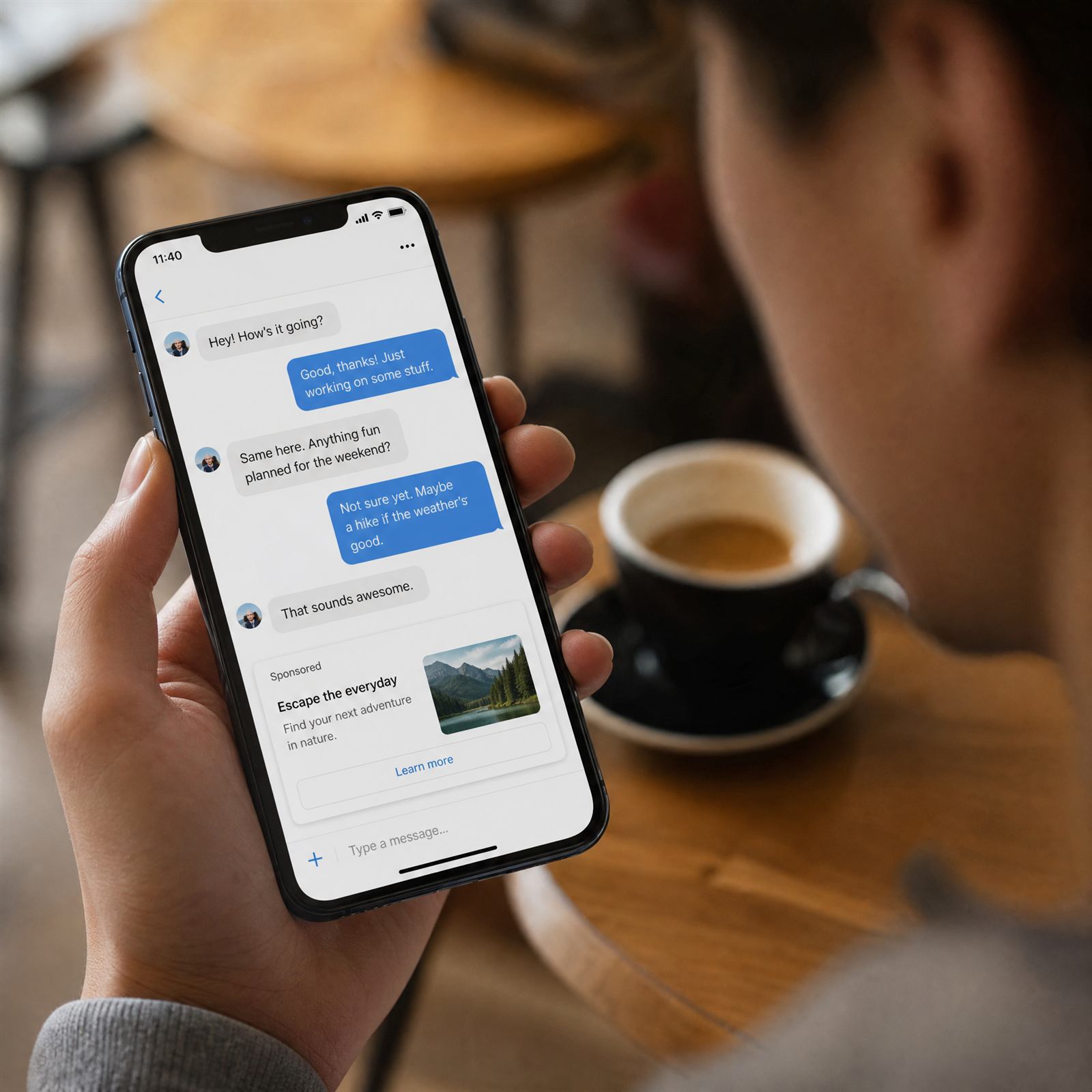
Note: the core 2026 Meta strategies, algorithms, and campaign structures below are sourced from Meta's own documentation and 2026 strategy guides. The HVAC industry examples, landing page tips, and case scenarios are DeployStaff's applied industry knowledge on top of those rules.
🔧 The 2026 HVAC Facebook Ads playbook
In 2026, the Meta algorithm has completely changed. If you're still trying to target people who "like Home Depot" or "show interest in air conditioning," you're wasting your money. Today, the AI is smarter than we are, and your creative is your targeting. Here are the top 6 strategies you must use to win.
| Strategy | What It Means |
|---|---|
| Broad targeting + geographic boundaries | Drop the complex "interest stacks." Instead, set your age, gender, and the specific cities you service, and let Meta's AI find the people whose AC unit just broke. Because HVAC is a local service needing precise geographic targeting, use manual targeting rather than fully automated Advantage+ Shopping campaigns. |
| Your creative is your targeting | Because you're targeting broadly, your video or image is the filter. An ad that says "Is your AC making a weird buzzing noise in Austin?" naturally only attracts Austin homeowners with broken ACs. Run 3 to 5 different creative angles — a 15-second POV video or a carousel — per ad set. |
| Server-side tracking (Conversions API) | Browsers block cookies now. If you only use the old Facebook Pixel, you're missing data. Implement Meta's Conversions API (CAPI) to send lead data directly from your server to Meta's server — it improves your Event Match Quality (EMQ). |
| The 1% lookalike audience | Upload your customer CRM list (people who bought full HVAC installs) as a Custom Audience. Tell Meta to build a "1% Lookalike" audience — the top 1% of people in your city who act exactly like your best-paying customers. |
| Strategic exclusions | Don't pay to show ads to people who just bought a $10,000 furnace from you. Use custom audiences to exclude past purchasers from your new prospecting campaigns. |
| Advantage+ placements | Stop turning off Instagram or Audience Network because you think "homeowners are only on Facebook feed." Let Meta use Advantage+ Placements to automatically hunt down the cheapest, highest-converting impressions across Reels, Stories, and Feeds. |
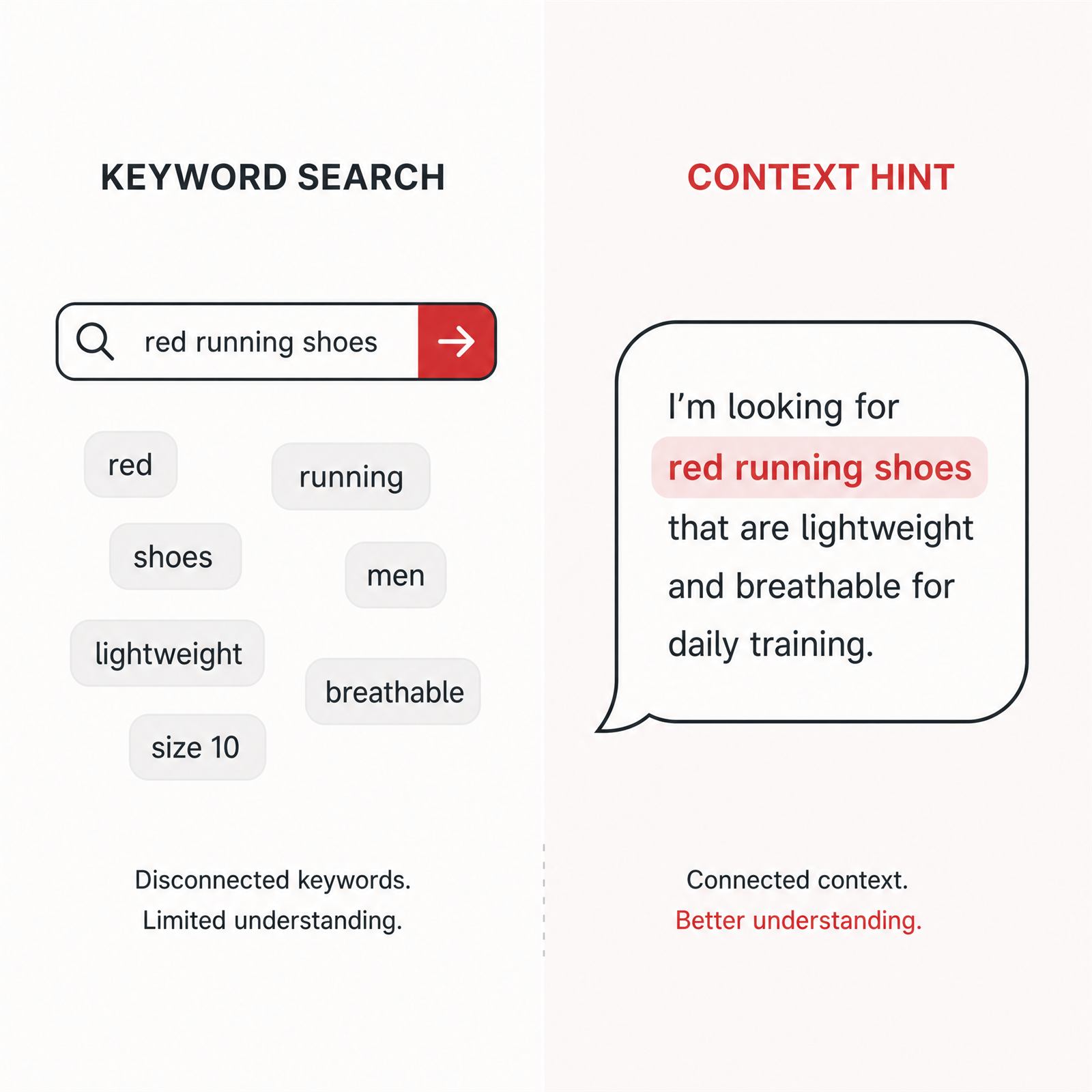
"You don't pick the audience anymore — your video does. An ad that says 'AC making a weird noise in Austin?' targets itself."
🛑 The top 5 misunderstandings burning your cash
- "I'll just change the ad tomorrow if it's not working." Every time you change your budget by more than 20% or swap out a video, you reset Meta's Learning Phase back to zero. Launch your campaign and leave it untouched for at least 7 days.
- Choosing the wrong campaign objective. Many business owners choose "Traffic" or "Awareness" to get clicks. Wrong. If you want leads, choose the Leads or Sales objective — Traffic just finds people who love clicking links but never fill out forms.
- Fear of "broad targeting." People think setting the audience to 1 million+ people is crazy. But if your audience is smaller than 1 million, you risk audience saturation within days, and your costs will skyrocket.
- Not tracking what happens offline. HVAC deals close on the phone or in the home, not on Facebook. If you aren't feeding those "Closed Won" statuses back to Meta via the Conversions API, Meta doesn't know which ads actually made you money.
- "Manual placements are safer." Limiting your ads to just the Facebook Feed constrains the delivery pool. This raises your CPMs and slows the learning phase — Advantage+ Placements are vastly superior.
💸 The $50 minimum & the "Learning Phase"
What is the Learning Phase? When you launch a new ad, Meta enters a testing period to figure out who wants your service. To exit this phase and get stable, cheap costs, Meta needs exactly 50 optimization events (leads) within a 7-day window.
Why the $50 minimum? Your daily budget needs to be 3 to 5 times your target cost per lead. If your goal is to get HVAC leads for $15, you need to spend $45 to $75 per day. If you spend only $10 a day, you'll never reach the 50 leads required to exit the learning phase, and your campaign will get permanently stuck. When it's working, only increase the budget by 20% to 30% every 3–4 days to avoid resetting the learning phase.
📍 City selection & landing pages
- City selection: Use manual campaign setups to strictly define your local service radius (e.g., "Austin + 25 miles"). Let the algorithm go completely broad within that city.
- Landing pages: Make sure your landing page perfectly matches your ad's hook. If the ad says "$49 AC Tune-Up," the landing page header must say exactly that. Keep the form to 2–3 questions max, and ensure your Meta Pixel and Conversions API are firing on the final "Thank You" page so Meta registers the lead.
🎬 HVAC case examples
The setup: A manual "Leads" campaign targeting the entire city (broad).
The creative: A 10-second TikTok-style Reels video showing a frozen AC coil with text: "AC blowing hot air in Dallas? We can be there in 2 hours."
The result: The ad runs on Advantage+ Placements. Because the hook is so specific, Meta's AI instantly filters out anyone whose AC is fine, grabbing emergency leads at a low cost.
The setup: An ABO (Ad Set Budget Optimization) campaign so you can force spend into a specific audience.
The audience: A Custom Audience of everyone who bought an AC tune-up in the summer.
The creative: A single-image graphic offering discounted winter furnace prep.
The result: Because this is a warm audience, conversion rates are sky-high. Custom audience exclusions ensure these ads only hit the people who already trust the business.
DeployStaff runs Advantage+, CAPI, and creative testing for HVAC companies so you're not guessing at broad targeting alone.
Get a Free Campaign PlanFlat fee, no long-term contracts. See how our process works.
❓ Fast FAQs
Get a free campaign plan built around your actual service area and budget — not a generic playbook.
Get a Free Campaign Plan$95/week per channel. See how it works.
DeployStaff runs flat-fee Meta and Google Ads campaigns for HVAC companies, roofers, dentists, and restaurants — built around whatever the current platform algorithm actually rewards, not what worked two years ago.