Facebook Ads for Restaurants: A Fun, No-Fluff Guide to 2026 🍔
Cheese pulls, secret tacos, and a Tuesday that goes from dead to sold out. Here's exactly how a restaurant wins on Meta right now.
In 2026, you don't tell Meta "show my ad to people who like pizza" — you drop a pin on your city, go broad, and let a raw, mouth-watering video do the targeting for you. Run 5–10 short video variations, set up the Conversions API so reservations actually get tracked, exclude your regulars from new-customer discounts, and don't touch the campaign for 7 days after launch.
Why restaurants must use Facebook Ads in 2026
Waiting for people to just walk past your restaurant on a slow Tuesday is a recipe for going out of business. In 2026, Meta has completely changed how ads work — you no longer tell Facebook, "Show my ad to people who like pizza." Instead, you run Advantage+ Campaigns and let the AI do the work.
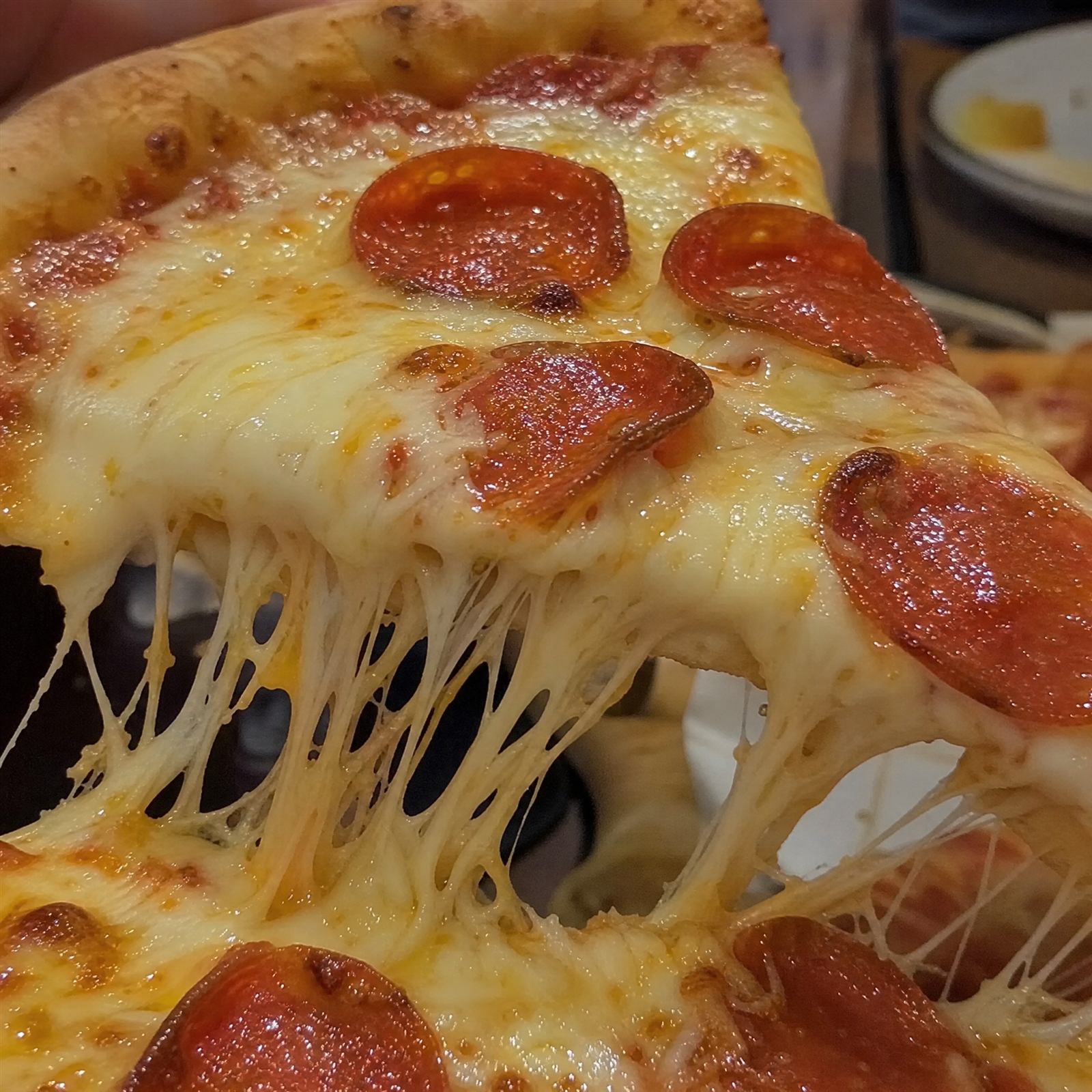
Meta's algorithm actively pushes creative video to users, aggressively matching your ad to the right person at the right moment. Post a mouth-watering, close-up video of cheese pulling off a slice of pizza, and that video itself becomes your targeting. The AI finds the hungry people in your neighbourhood — you just have to give it something worth showing.
The top misunderstandings burning restaurant budgets
Most restaurant owners are still running ads like it's 2019. Here's what's actually costing them money.
- The "Tinkerer" trap. A Monday ad doesn't work by Tuesday, so the owner panics and changes the budget or the video. Every time you change the budget by more than 20%, you reset Meta's Learning Phase back to zero. Let an ad run for at least 7 days without being touched so the AI can actually learn.
- Laser-targeting tiny neighbourhoods. "Foodies within 1 mile" sounds precise, but it skyrockets your costs. Broad targeting wins in 2026 — drop a pin on your city, leave interests blank, and let the algorithm find the hungry people.
- Static images instead of raw video. A polished, Photoshopped burger photo looks fake. Raw, short-form video — 6 to 15 seconds, shot on a phone — is king. If it looks like a TikTok or Reel, people stop scrolling and watch.
"If it looks like a TikTok or an Instagram Reel, people will stop and watch. A perfectly lit stock photo of a burger just gets scrolled past."
2026 best practices for restaurants
| Practice | Why It Matters |
|---|---|
| Server-side tracking (CAPI) | Apple and browsers block normal tracking cookies. Set up the Conversions API to send data directly from your website or reservation system to Meta — without it, Meta has no idea who's actually booking a table. |
| Strategic exclusions | Running "20% off for first-time visitors"? Exclude your loyal regulars with custom audiences. Don't pay to discount the people who already eat there every week. |
| 5–10 creative ads at once | Your video is your targeting, so give the AI options. Run 5 different videos simultaneously so Facebook can find the one that actually works. |
Restaurant case scenarios
The bad setup: Luigi's Italian launches an ad Monday. By Tuesday morning it's spent $20 and brought in zero customers. Luigi panics, cuts the budget in half, and swaps the picture.
The rule he broke: he never let the ad exit the Learning Phase, which needs roughly 50 conversion events to stabilize.
The fix: Luigi relaunches with a short video of pasta being tossed in a pan, sets a $50 daily budget, and doesn't touch it for 7 days. By day 4, the algorithm has figured out exactly who craves pasta at 5 PM — and tables start filling up, cheap.
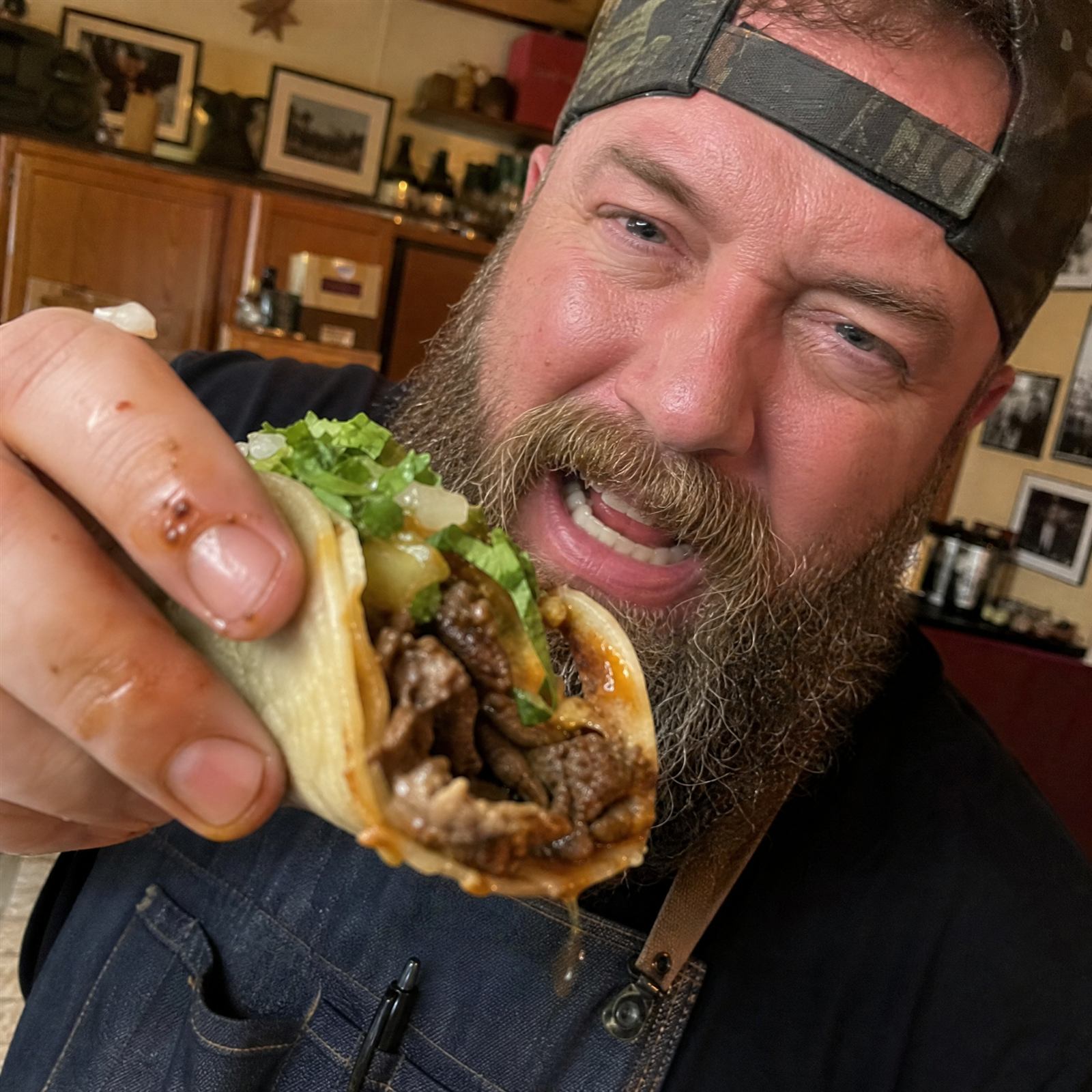
The situation: a local BBQ joint is dead every Tuesday.
The strategy: they invent a "Taco Tuesday BBQ" secret menu item.
The execution: a Broad Targeting campaign across the whole city, with a messy, juicy 6-second Reel of the owner eating the taco. A Lead Form right inside Facebook offers a "Secret Menu Pass" for Tuesday nights.
The result: because Lead Forms load instantly on mobile without the user ever leaving Facebook, they collect 200 emails for under $2 apiece — then text that list every Tuesday at 3 PM, turning their slowest night into a sold-out one.
DeployStaff builds the Advantage+ campaigns, CAPI setup, and 5-video creative testing restaurants need to actually fill tables.
See How Restaurant Marketing WorksFlat fee, no long-term contracts. Get a free campaign plan.
5 Fast FAQs
Get a free campaign plan built around your slowest night and your best dish.
Get a Free Campaign Plan$95/week per channel. See how it works.
DeployStaff runs flat-fee Meta and Google Ads campaigns for restaurants, HVAC companies, dental practices, and med spas — built around whatever the current platform algorithm actually rewards, not what worked two years ago.